
CUSTOM BARCODE & NUMBERED IDENTIFICATION
Custom Barcode, UID & Serialized Labels
Repeated codes, sequential numbers or supplied records. PIC prints identification labels that pair your codes with readable product, part and asset information.
Barcode Label Features
- Repeated product codes
- Sequential or assigned serial numbers
- Customer-supplied records and changing fields
- Readable numbers with barcode graphics
- Film labels and metal identification plates
- Rolls, sheets and organized label sets
- Face
- Film labels or metal plates
- Attachment
- Surface and mounting requirements
- Finish
- Optional print protection
Tell us which information repeats and which changes.
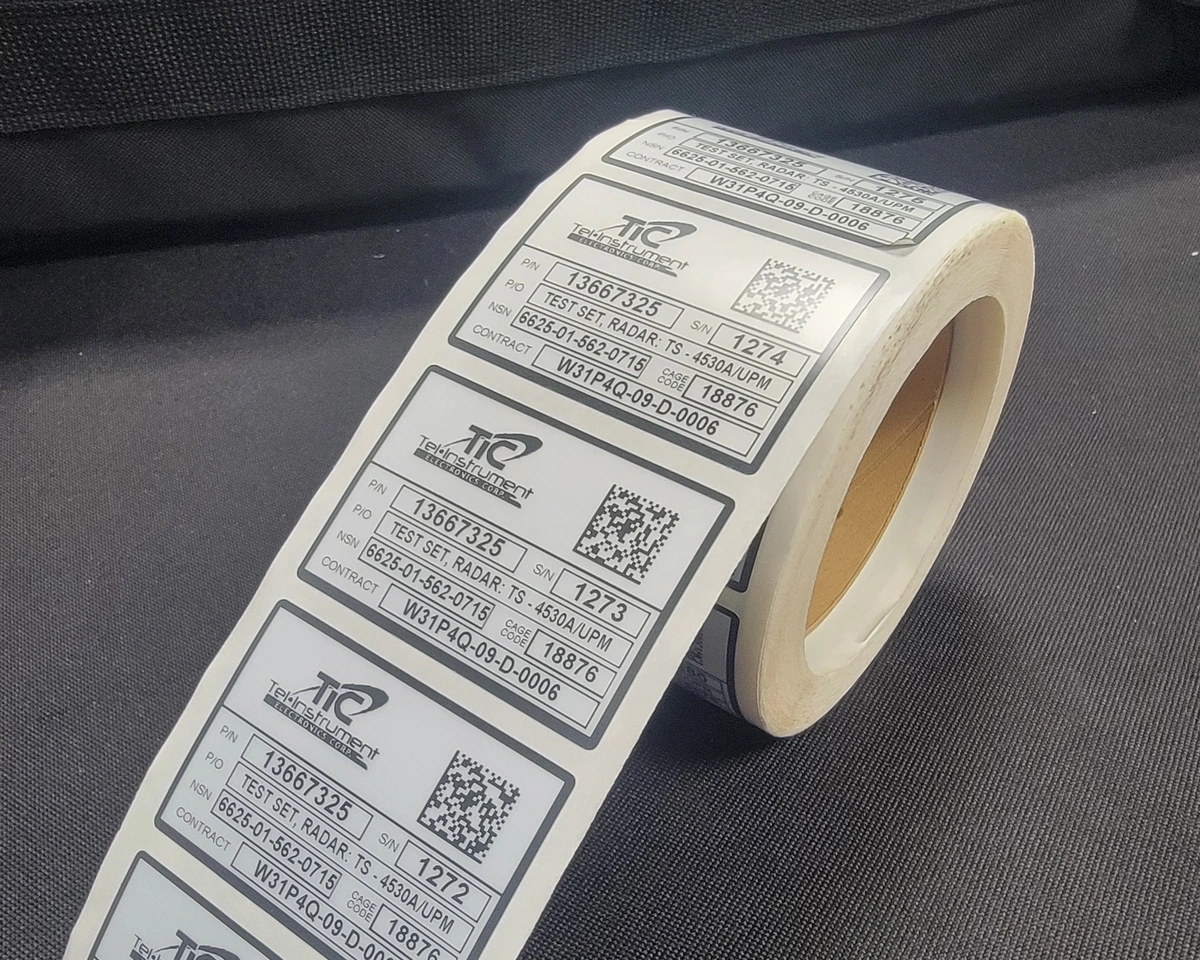
Consecutive readable serial numbers and two-dimensional codes on a real label roll.
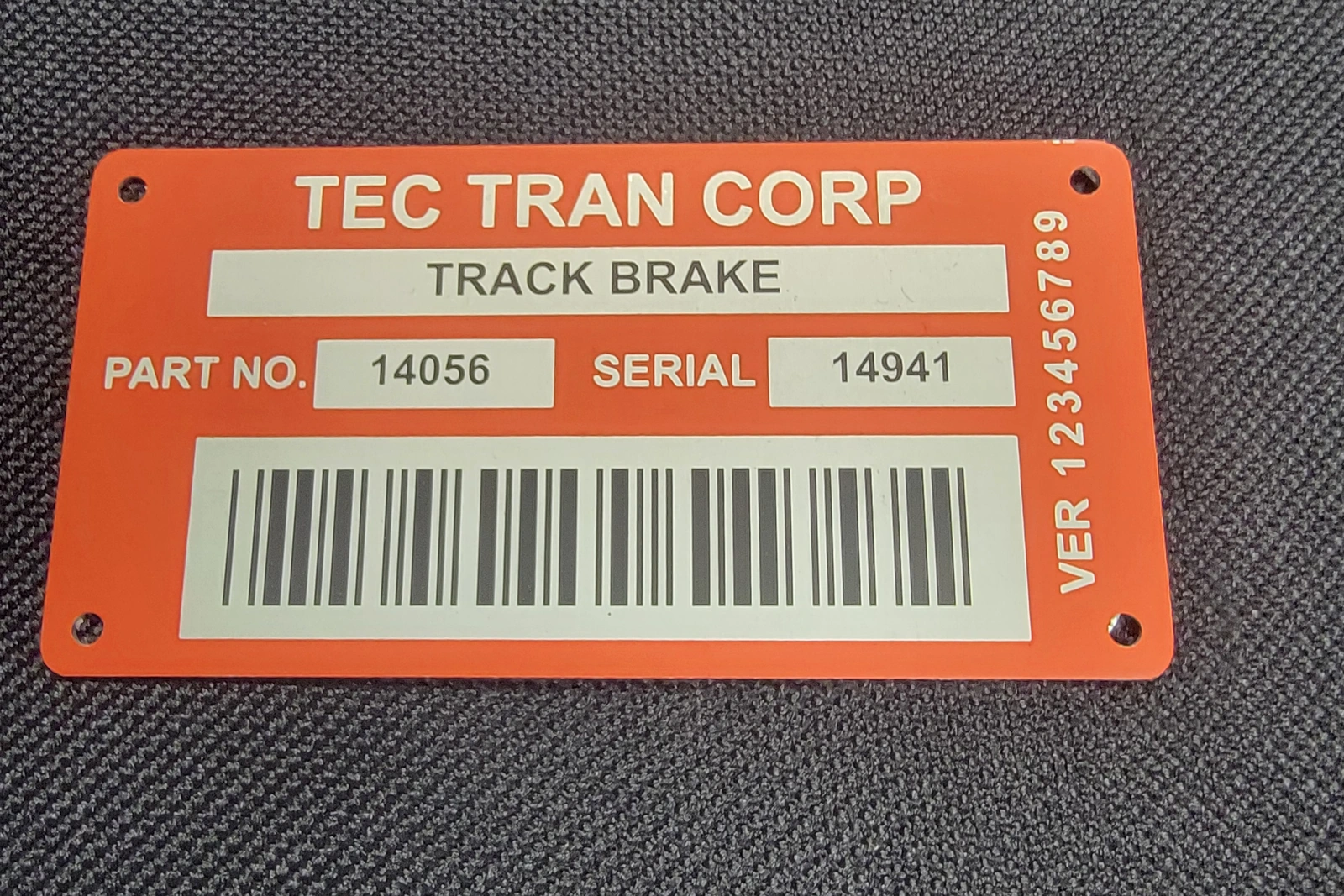
Linear barcode with part and serial fields.
CODE & READABLE TEXT
Combine a barcode with the part, serial or asset information your team needs.
Barcode label types
BARCODE & NUMBERED LABEL TYPES
Identification for the
item and the job.
Choose the information the label needs to carry, then plan the code, readable text and construction together.
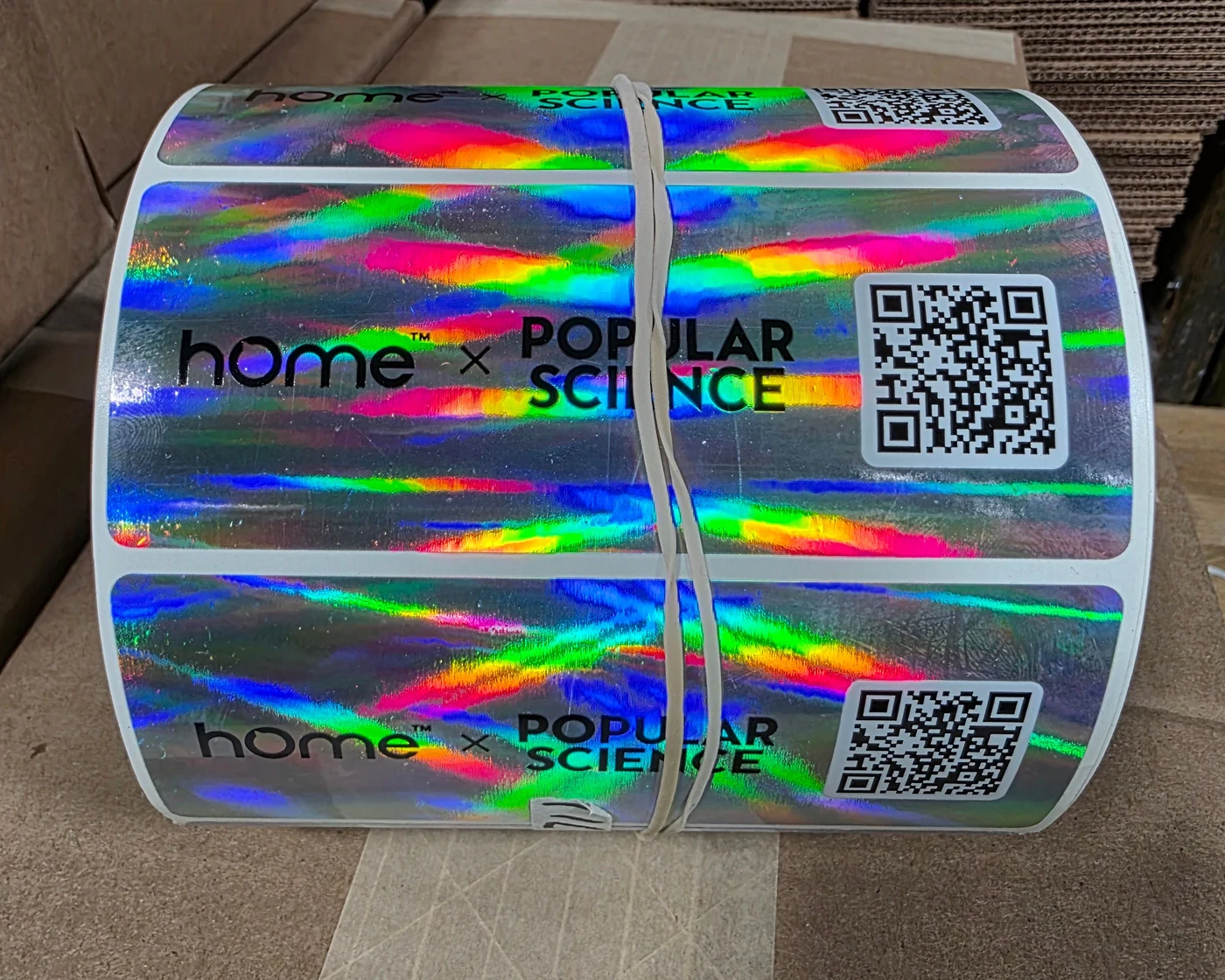
QR codes alongside product branding on printed retail labels.
Linear or two-dimensional codes
Plan the required linear (1D), QR or other 2D code alongside the readable information. Send the required code format and a sample of the data.
Consecutive numbers distinguish individual units while the surrounding label design stays consistent.
Sequence and number formats
Asset & property labels
Company or property details and assigned IDs for equipment, racks and tools. An asset number can stay with the item when its location changes.
Inventory & part labels
Repeated part references or supplied changing identifiers for stock, components and service parts.
Serial numbers, part or model details and readable text in a coordinated layout.
Equipment labels
Supplied QR codes beside product information or branding. The code can repeat or the data can change.
Code format details
Specified data, marking and construction for a project with defined identification requirements.
Specification-driven UID
A device ID and its room, row or rack location serve different purposes. Equipment can move.
Data-center identification
Available label area, smooth or textured surfaces, handling and exposure influence the construction.
Construction identification
REPEATED, SEQUENTIAL OR SUPPLIED DATA
What changes from
label to label?
Serialized identifiers can follow a sequence or an existing list. A repeated product code can stay the same throughout the run.
01 / THE SAME CODE
Repeated product codes
Print the same product or part code across the run, beside fixed branding, descriptions and other artwork.
Example data
PART-104 PART-104 PART-104
02 / THE NEXT NUMBER
Sequential serial numbers
Give each unit the next number in the agreed range. Specify the prefix, leading zeros and quantity, with a matching readable number beside the code.
Example sequence
EQ-0001 EQ-0002 EQ-0003
03 / YOUR ASSIGNED RECORDS
Customer-supplied records
Use an existing list of assigned IDs and related fields. The serial number, code and selected text can change while the fixed artwork stays consistent.
Example record fields
Asset A-104 / Part P-24
Asset C-207 / Part P-31
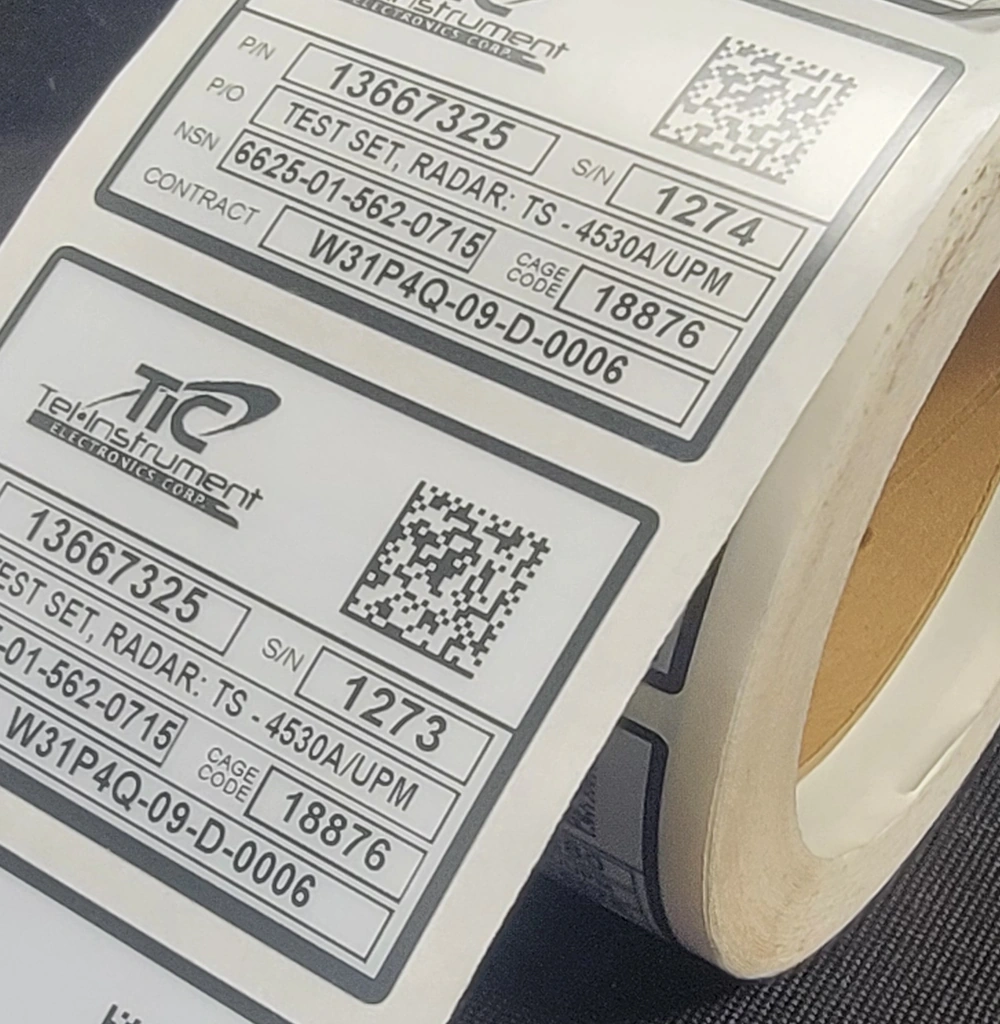
Detail of the serialized roll shown above: readable serial numbers 1273 and 1274.
Keep the data and layout together
Send a sample record file, the fields that change, an example layout and the person who will approve the data and proof. Make the relationship between the readable identifier and encoded information clear.
Flexographic printing can suit repeated artwork. Digital printing offers another route for changing designs or data. The material, artwork and quantity help determine the production method.
LABEL MATERIALS & ATTACHMENT
Adhesive labels or metal
identification plates?
The identifier and the material are separate decisions. Choose the construction for the surface, environment and mounting arrangement.
Printed adhesive labels
A film label can conform to suitable equipment surfaces. PIC works with these material families, with the adhesive and finish selected for the use.
Metal plates & Metalphoto
A rigid plate may better fit a specified mounting arrangement. Custom nameplates provide metal and plastic identification options.
For photosensitive anodized-aluminum identification, compare Metalphoto nameplates. The required environment and order specification guide the construction.
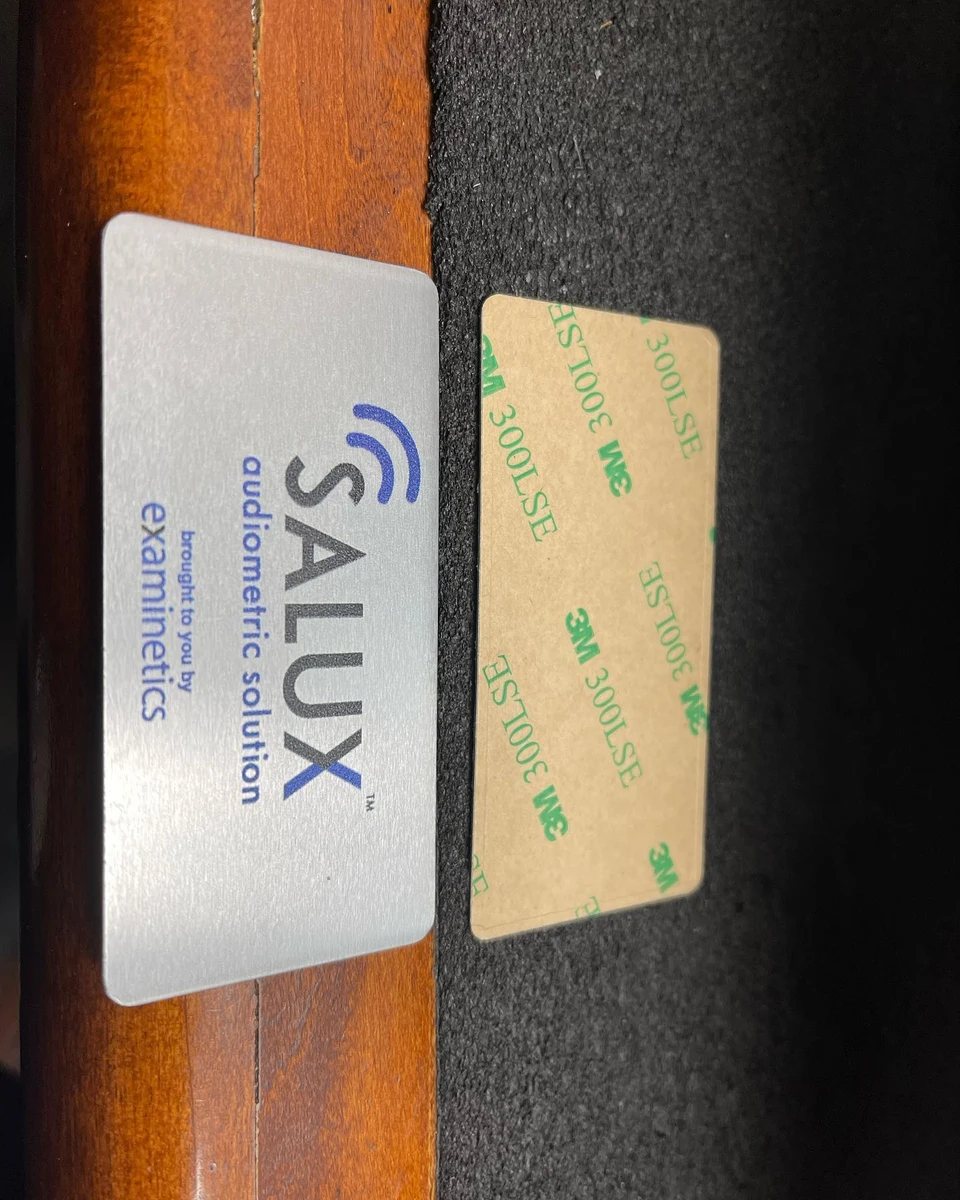
Adhesive-backed metal identification: the printed face and release-liner reverse shown together.
Surface & attachment
Surface coating, texture and shape influence adhesive selection. Film adhesion and a rigid plate’s mounting arrangement need different consideration.
Optional overlamination or varnish can protect printed graphics where suitable. Include temperature, cleaners, chemicals, abrasion, moisture, sunlight and intended service life.
Lamination & finishing
BARCODE LAYOUT & READING CONDITIONS
Give the code
room to work.
The layout and finished surface need to suit the code format and the way the label will be read.
Size, contrast & clear space
Allow the required code size and blank area, or quiet zone. Keep surrounding text, borders and logos out of that space. The required dimensions depend on the format.
Surface, finish & scanning setup
Background, print surface, protective finish and reading conditions all matter. Consider glossy or reflective surfaces with the actual lighting and reader, rather than assuming every finish reads the same way.
A scan and a verification result are different
A successful scan with one device is not a specified verification result. If formal verification is required, send the method, grade, acceptance criteria and documentation requirements for review before production.
SPECIFICATION-DRIVEN IDENTIFICATION
UID labels for
specified equipment.
An ordinary sequential barcode does not replace the data, formatting and marking requirements of a UID job.
For MIL-STD-130 or another specified UID requirement, send:
- The governing specification and revision
- The encoded information and required layout
- Label construction, attachment and acceptance documentation
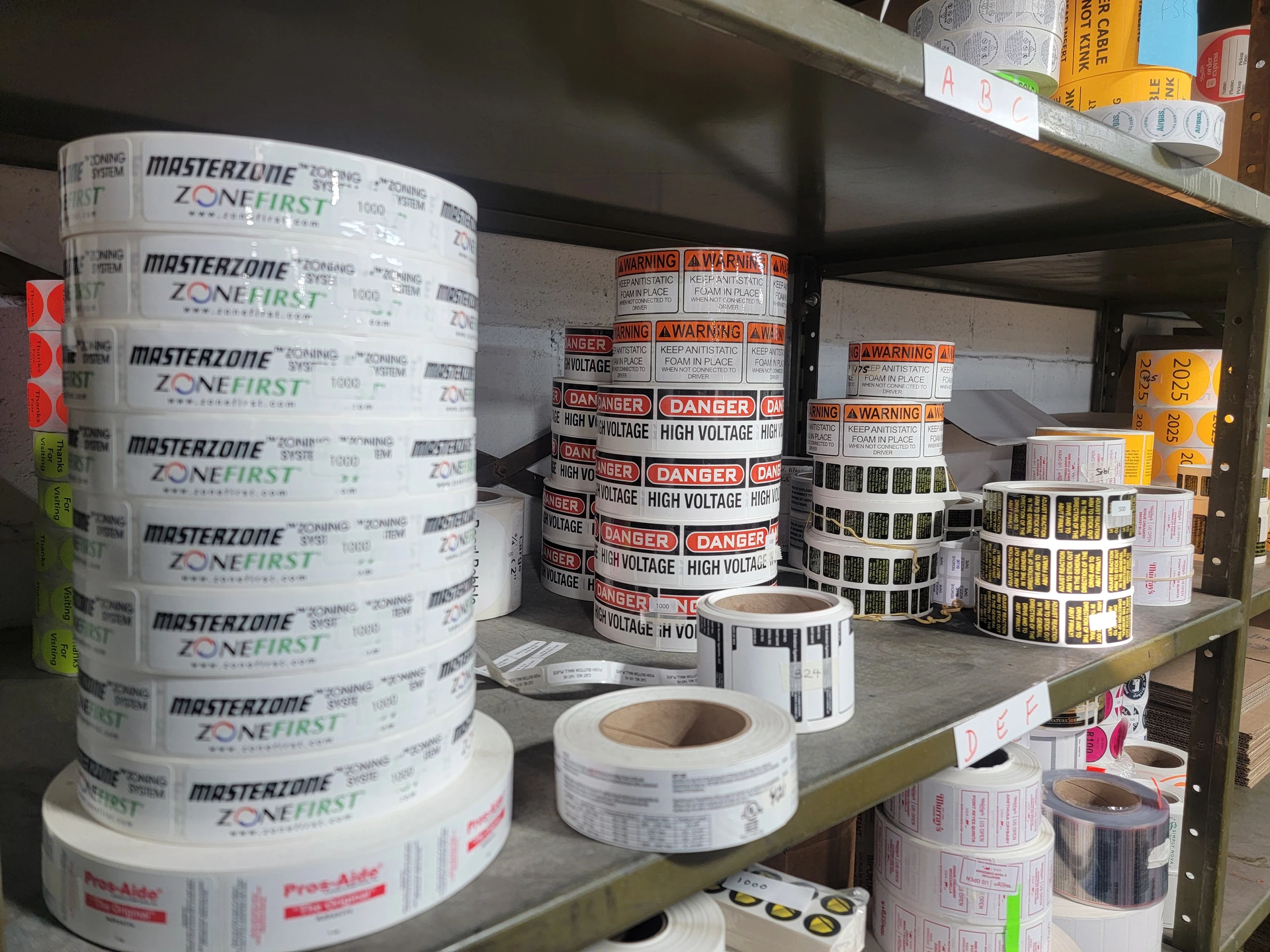
Finished label rolls at PIC. Supply format is planned with the way labels will be applied.
FINISHED FORMATS & LABEL-SET PLANNING
Rolls, sheets &
organized label sets.
Rolls can suit repeated application. Sheets or separate pieces can suit assembly work and individually assigned assets.
When order or grouping matters
- Any required sequence
- Grouping or separation of label versions
- Labels that belong to one assembly or kit
Tell PIC how the labels need to arrive so the sequence, grouping and finished format can be confirmed for the order.
YOUR BARCODE & SERIALIZED LABEL PROJECT
Let’s plan the identifier,
label and finished format.
Send your artwork, sample or existing specification. You do not need every technical answer before contacting PIC.
A useful starting point
- Size, quantity and artwork revision
- Code format and a sample of the data
- Sequence, prefixes, leading zeros or supplied-record fields
- Surface, exposure and attachment requirements
- Supply format, grouping and required date
- Any specification, verification or documentation requirements